


5 Most Common Car Repairs and How to Dodge Them
- Heather L. Lee

- Feb 2
- 3 min read
We all want our vehicle to be there for us. That is, start when we need it to, get us where we need to go, and keep our lives as stress-free as possible. However, cars and trucks need attention to keep them at peak performance and keep visits to the auto shop at a minimum. Being able to catch issues and even prevent them through appropriate maintenance can keep you on the road and as stress-free as possible. With this in mind, let’s look at the five most common automotive repairs.
1. Brake System

Why it happens:
Friction over time can cause components to wear out like thinning pads or warped rotors.
Exposure to salt and moisture in certain climates can corrode parts.
Driving habits such as stop and go traffic or hard braking.
Signs of a problem:
Grinding noises or high-pitched squealing when brakes applied.
Brake pedal feels squishy.
The vehicle takes longer to stop.
How to delay or avoid:
Check brake pads for wear at regular intervals, such as oil changes.
Have brake fluid flushed per manufacturers guidelines to prevent moisture build-up.
Use quality parts that will last longer.
Focus on a smooth drive and try not to slam on the brakes, if possible.
2. Electrical System/Battery
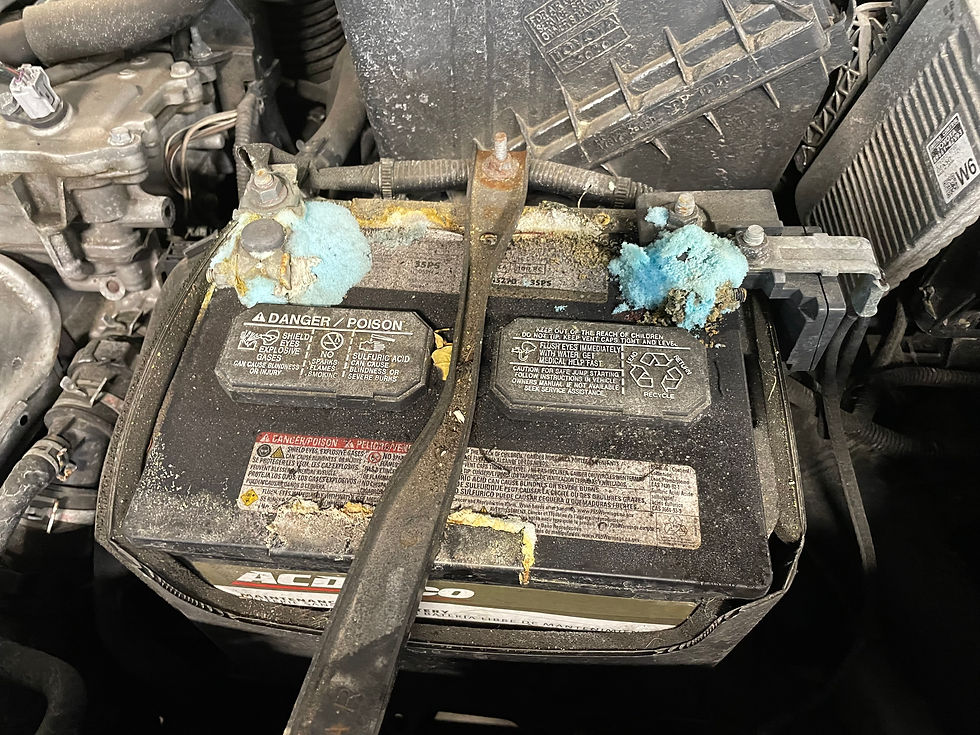
Why it happens:
Batteries deteriorate over time. Extreme temperatures can speed this process up.
Corroded or loose battery terminals decrease performance and can cause drops in voltage.
Electronics and alarms can drain the battery.
Signs of a problem:
Engine won’t start or cranks more slowly.
Battery warning light stays illuminated.
Headlights are dim.
There is a clicking sound when you turn the key.
The battery is older than 4-5 years.
How to delay or avoid:
Test battery occasionally and keep terminals clean and tightened.
Look for electrical devices that may be drawing power when vehicle is off.
Try not to leave car unused for long periods of time. If this is necessary, disconnect battery or use a battery maintainer.
3. Cooling System

Why it happens:
Many issues can cause the engine to overheat, such as:
Water pump failures
Cooling system leaks
Clogged coolant hoses
Thermostat malfunction
Over time, coolant can degrade and become more acidic and corrosive.
Corrosion inside the system may lead to obstruction.
Cooling fans occasionally fail.
Signs of a problem:
Steam coming out from under the hood.
Temperature gauge climbs into the red zone.
A sweet-smelling puddle under the vehicle. This can come in many colors, including green, orange, red, or blue.
Frequently refilling coolant.
Poor or no HVAC/heat.
How to delay or avoid:
Use approved coolant mix for vehicle and use quality fluid.
Replace coolant as recommended by manufacturer, usually every 2 years.
Inspect parts regularly. Check radiator, overflow tank, hoses, and clamps for cracks, leaks, or swelling.
Monitor engine temperature and have it checked out if creeping into the “hot zone.”
4. Tires/Suspension/Alignment

Why it happens:
Deteriorated shocks, struts, and bushings reduce handling and increase tire wear.
Misalignment creates uneven tire wear.
Pressure that is too high or too low causes uneven tire wear and affects handling.
Driving over potholes, road debris, or curbs causes damage to tires, rims, and suspension parts.
Signs of a problem:
Car pulls to the right or left.
Vibration in steering wheel.
Excessive bouncing over even small uneven spots in the road.
Uneven tire tread or tires look bald.
Premature tire wear.
How to delay or avoid:
Have tires and suspension components inspected with every service and replace as needed.
Check alignment once a year or after significant pothole/curb impacts.
Check tire pressure monthly to maintain recommended psi.
Try to avoid potholes and curbs. Drive carefully over rough roads.
5. Check Engine Light Diagnostics

Why it happens:
A broad assortment of issues can cause that light to illuminate, including:
Worn spark plugs
Loose gas cap
Damaged oxygen sensor
Faulty mass airflow sensor
Catalytic converter problems
Engine misfire
Signs of a problem:
The bright orange/yellow check engine light is on.
Misfiring engine.
Reduced fuel economy.
Rough idling.
How to delay or avoid:
Regular inspections and tune-ups can catch most issues early.
Use correct octane fuel per manufacturer recommendations.
Replace air filters and spark plugs on time.
Be sure gas cap is fully tightened after filling up.
Don’t delay getting vehicle checked when check engine light comes on. The longer you wait, the more expensive the repair could end up being.
Being aware of changes in your driving experience and using your senses such as sight, smell, hearing (please don’t use taste!) can help you identify that there may be a problem brewing in your vehicle. Regular check-ups with your mechanic can also help stay on top of issues and keep your vehicle running smoothly.


Comments